If you don’t have much capital to buy products or equipment, a service business is a great option.
Service businesses in Cameroon often require only your time and skills.
For example, if you know how to do something useful, you can offer that as a paid service.
These businesses can start from home or a small rented space, and many clients will come simply by word of mouth.
Here are some ideas:
7. Laundry Service
Many urban residents and students in Cameroon need laundry help.
If you start a laundry service – washing, drying and ironing clothes for customers – you can earn steady income.
You need a good wash basin or a second-hand washing machine, drying space and an iron.
Begin by offering your service to neighbours, friends and nearby workers.
As you get more customers, you might buy a commercial washer and open a small shop.
Busy professionals and students will appreciate clean laundry and may pay higher fees for quick turnaround.
8. Cleaning Service (Homes and Offices)
Offices, shops, hotels and even busy homes always need cleaning.
If you are detail-oriented and diligent, you can offer cleaning services.
You might clean offices on weekdays or homes on weekends.
Basic supplies like brooms, mops, detergents and cloths are enough to start.
Advertise your service locally: for example, leave flyers at offices or talk to hotel managers.
Good cleaners are in demand, and repeat customers will keep coming if you do a reliable job.
You can hire assistants as your business grows.
9. Car Wash
With many vehicles in Cameroonian cities, a car wash is a simple way to earn daily money.
You only need water, car soap and a few buckets or hoses to start.
A good location is crucial – for instance, rent space beside a busy road, market or fuel station.
Drivers who lack time will pay you to wash their cars. Initially, offer hand washes and vacuuming.
Later, you could buy a pressure washer or vacuum machine to clean cars faster.
A friendly service and maybe a car fragrance or polishing add value.
Drivers will keep coming back every week or two, creating regular income.
10. Game or Viewing Centre
Cameroonians love sports, especially football.
If you own a TV and a satellite decoder, you can open a small viewing centre for live games and popular shows.
Pick a neighbourhood where many people don’t have cable at home.
Charge a small entry fee for customers to watch matches, boxing or wrestling together.
You can also sell cold drinks and snacks during the games.
This business works best when there are big matches (World Cup, African Cup, local derbies), as fans gather and pay to watch on a big screen.
A simple setup (a TV with seating) is enough to start.
11. Rental Business
Many people need event supplies but cannot afford to buy them.
You can start a rental business by purchasing items like plastic chairs, tables, tents (canopies), speakers or decoration pieces.
Rent them out to people organizing weddings, birthdays or meetings.
Begin with a few items and reinvest your profits to buy more.
For example, start with 20 chairs and a couple of tables.
Advertise to churches, NGOs, and event planners.
As demand grows, you could offer full party rental packages or even event planning services.
Renting is in high demand because Cameroonians often hold celebrations but save money by renting instead of buying.
12. Mobile Phone Repair
Smartphones break or malfunction frequently.
If you learn how to fix common phone issues (broken screens, battery replacement, charging port faults or software updates), you will always find customers.
You can start from home or a market stall with basic repair tools (screwdrivers, spudgers, multimeter).
Offer fast, trustworthy service.
Many people would rather repair an existing phone than buy a new one.
As your reputation grows, you can open a repair shop or expand to fix tablets and laptops too.
Consider also selling phone accessories to boost profits.
13. Beauty and Hair Services
The beauty industry is growing fast in Cameroon.
If you have skills in hair styling, wig making, braiding, manicures, pedicures or makeup, you will always find work.
You can start from home – set up a corner for customers.
At first, advertise on social media by posting photos of your work.
Offer services like hair braiding (weaves and dreadlocks), wig styling or nail art.
You could also sell beauty products (shampoos, creams, perfumes) alongside your services.
Happy clients will refer friends, and a small home salon can turn into a bustling beauty parlour over time.
14. Barbering (Men’s Haircuts)
Men need haircuts regularly – often every few weeks.
Starting a barber shop can give you steady daily income.
All you need to begin is a barber’s chair (or any sturdy chair), a set of clippers and scissors.
Find a good spot, such as near a busy street or market, and put up a sign.
Offer haircuts and simple shaves.
If you do the job well and keep your tools clean, you’ll quickly get repeat customers.
Over time, you can offer extra services like beard trims or shave facials for more revenue.
15. Massage Therapy
Modern life can be stressful, and many people seek relaxation.
If you train in massage therapy (there are courses available), you can offer massage services at clients’ homes or set up a small spa.
Provide treatments like back massage, foot reflexology or aromatherapy.
Expatriates, businesspeople and busy parents will pay for a massage to relieve stress.
Invest in a massage table, oils and soothing music.
Advertise by word-of-mouth or small flyers.
A good massage therapist can quickly build a loyal clientele.
16. Tour Guide Services
Cameroon has beautiful attractions – beaches like Kribi, mountains like Mount Cameroon, and wildlife parks like Waza or Kumba.
If you live near these places, consider being a tour guide.
Many visitors need someone to show them around.
You could offer guided tours to places like Limbe’s wildlife centre, the sandy beaches of Kribi, or the scenic Bamenda highlands.
Tourists and even local visitors will pay for your help in getting around safely and learning about the culture.
You can start by offering half-day or full-day tours, and arrange transport if needed.
A knowledge of English, French or local languages will help you serve more tourists.
17. Co-Working or Study Space
Many young entrepreneurs and freelancers need a quiet place to work.
If you have a spare room, shop or small building, turn it into a co-working space.
Set up desks, chairs and reliable internet access.
Rent the desks by the day or week to students and start-ups who have no office of their own.
You can also add a small café corner or printer access.
In cities like Yaoundé or Douala, this is in high demand among graduates and young professionals.
A co-working space can provide steady income as people pay for a nice place to work, hold meetings or attend workshops.
18. Daycare and Babysitting Services
Working parents often need a safe place to leave their young children during the day.
You can offer daycare or babysitting services by taking care of kids in your home or a small centre.
Set up a fun, secure play and sleep area with toys and learning activities.
Make sure to meet any local requirements for childcare.
If you do a good job, parents will trust you and pay for daily or hourly care.
You could start by watching a few neighbours’ children, then expand into a full nursery or creche.
Providing healthy meals and basic education activities will make your service more attractive.
19. Radio or TV Show Hosting
If you have a good speaking voice and passion for a topic, you could start your own radio or TV show.
Many people in Cameroon listen to radio or watch television daily.
You might begin by pitching a show idea to a local radio station or producing content online.
Topics could be anything from news commentary to local music or education.
Once your show has an audience, you can attract local businesses to sponsor it.
For example, host a morning news show or an evening entertainment hour.
This is a creative business – all you need is good content and some broadcasting equipment (which you can often borrow or rent at first).
20. Car Mechanic Services
Cars and motorcycles break down regularly.
Running a small mechanic workshop to fix engines, brakes or electrical issues means you’ll rarely lack customers.
You can start as a mobile mechanic visiting clients at home, then eventually set up a garage.
Developing good technical skills will bring a steady stream of clients who can’t fix these problems themselves.
C. Production and Manufacturing
Manufacturing and production involve making goods that people need.
Many products are imported into Cameroon, but if you can produce them locally, you save money and make profit.
The good news is you don’t need a huge factory to start – many of these businesses can be run with basic tools, small machines, or by hand in a simple workshop.
If you find a local need, you can fill it by producing what people use every day.
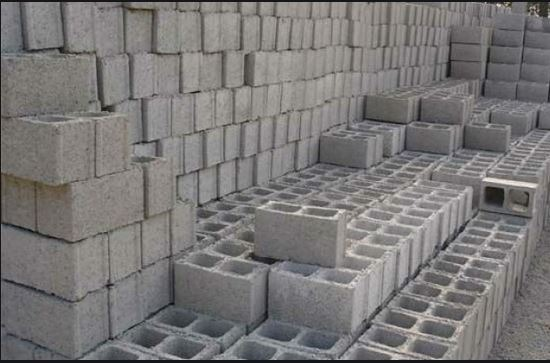
21. Building Block Production
Construction is booming in Cameroon, so cement blocks (used for walls) are in constant demand.
You can start a block-making business if you have space for a small yard.
Mix cement, sand and water, and use a manual or semi-automatic block press to shape the blocks.
Even a basic hand-press machine will allow you to make dozens of blocks per day.
Sell blocks to builders, contractors or directly at construction sites.
Since new houses and offices are built all the time, a quality block factory can be very profitable over the long term.
22. Matchstick Production
Every home, market and restaurant needs matchsticks for lighting fires.
Making matchsticks is surprisingly easy.
You need wooden sticks (bamboo or spruce), a chemical paste for the tips, and a drying area.
With a simple press, you coat one end of many sticks at once.
Package your matchsticks in small boxes or sleeves and sell them to grocery stores and hawkers.
This business is low-tech and low-cost, but demand is constant.
A good packaging design can help your matches stand out in stores.
23. Chalk Production
Schools, training centres and churches use chalk on blackboards daily.
Instead of buying imported chalk, you can produce it locally.
The process requires plaster of Paris (POP) and water to make a slurry, then pour it into long moulds (even wooden frames) and let it dry.
Cut the dried material into sticks.
With basic materials and molds, you can make large quantities of chalk cheaply.
Sell boxes of chalk to schools, colleges and stationery shops.
With every new school term, the demand for chalk comes back.
24. Ice Cream and Ice Block Production
Cameroon’s warm climate means people love cold treats.
If you have a freezer and space to work, you can make ice blocks and ice cream.
Sell ice blocks to bars, drink vendors and markets that need to cool juices and sodas.
For ice cream, start by offering simple flavours like vanilla, chocolate or mango.
Children and families will buy ice cream in cones or small cups.
This business needs a freezer or fridge (and electricity), but the ingredients (milk, sugar, flavourings) are affordable.
When temperatures rise, both ice and ice cream will sell very quickly.
25. Milk and Dairy Processing
Dairy products such as fresh milk, yoghurt and cheese are in demand in Cameroon.
If you can access fresh milk from cows or goats, consider starting a dairy processing business.
You could make yoghurt, butter or local cheese (wagashi) to sell.
Fresh, locally-produced dairy is often preferred for its quality and price.
To start, you’ll need cooling containers and basic equipment like fermenters or churns.
Sell your products to local shops, restaurants or neighbours.
As your brand grows, you might even supply larger supermarkets or hotel chains.
26. Palm Oil and Vegetable Oil Processing
Nearly every Cameroonian meal includes some kind of cooking oil.
Instead of buying imported oil, you can produce your own.
If you have palm trees or access to palm fruits, you can extract palm oil using a small press (even manually operated).
Alternatively, press oils from groundnuts, soybeans or maize germ.
Start small by buying a handful of palm fruits, boil them, then press out the oil.
Sell the oil in jerrycans or plastic containers to households and local markets.
Cooking oil is a daily necessity, so once you have reliable production, customers will keep coming to you.
27. Popcorn and Chips Production
Snacks are big sellers in Cameroon, especially in schools, markets and cinemas.
You can buy a popcorn machine and pop corn to sell in markets or at events (even in front of video clubs).
Potatoes and plantains can be sliced and fried into chips (crisps).
Wash, slice and fry them in hot oil, then season lightly.
Package the chips in small plastic bags or boxes and sell to street vendors or shops.
Popcorn and chips are inexpensive to make and sell quickly.
Many children and young people snack on them daily, so you can find a steady market.
28. Cake and Pastry Production
Cakes and pastries are always needed for celebrations.
If you enjoy baking, a cake business could earn you a lot.
You can make custom cakes for birthdays, weddings or anniversaries.
Also bake bread, meat pies, doughnuts or buns in the mornings to sell to offices and homes.
Start from your kitchen with a basic oven and baking tools.
Promote your cakes by sharing pictures on social media.
Good quality and creative designs will get you orders.
This business can start from home, and as you get popular, you might open a small bakery shop.
29. Wig and Hair Extension Making
Hair wigs and extensions are very popular, especially among women in urban areas.
If you learn to make or style wigs (using synthetic or human hair), you can sell them for a good profit.
Begin by sourcing bundles of hair from wholesalers.
Practice weaving, sewing or gluing hair to wigs or extensions.
Sell your products directly to clients or to beauty salons.
You can also offer custom wig-making services.
Since styles change often, clients return for new wigs regularly.
Good quality craftsmanship will earn you repeat customers and referrals.
D. Agriculture and Farming
Farming is a tried-and-true way to make money in Cameroon because people must eat every day.
You don’t need a large farm to start – many successful farmers begin small, even in their backyard or with a few containers.
Agriculture businesses can grow quickly if you reinvest profits.
Here are some farming ideas:
30. Rice Farming
Much of the rice consumed in Cameroon is imported, yet we have land suited for growing it.
If you can find even a small piece of irrigated land, you can start rice cultivation.
Plant rice seedlings in flooded fields during the rainy season.
After a few months, harvest the rice grains and sell them.
You can sell fresh rice to local markets, restaurants or even to government grain purchase programs.
Local rice can be cheaper and fresher than imported rice, giving you an edge.
This can become a large operation, but even one rice crop a year can yield a good profit.
31. Fish and Snail Farming
Fish (like tilapia or catfish) and snails are favourite foods, but supply is limited.
If you have space for a pond or several tanks, start a fish farm.
You will need fish fingerlings (young fish) and feed.
Fish grow fast and can be harvested in a few months.
Snail farming is similar: snails reproduce quickly and require only leafy greens and a shaded environment.
Set up a snail pen in a cool, damp area.
Both fish and snails can be sold in bulk to hotels, markets and restaurants.
These farms are relatively easy to manage and can multiply your investment quickly.
32. Livestock Farming (Chickens, Goats, Pigs)
Raising animals is one of the surest ways to make money.
Poultry (chickens) is easiest to start: you can raise broilers for meat or layers for eggs.
Eggs and chicken meat are always in demand.
You’ll need a simple coop and feed.
Goats, sheep and pigs also sell well for their meat.
For example, start with a small flock of goats: they don’t need expensive feed and breed easily.
Every few months you can sell a goat or sheep.
Cows are harder (need more land), but even raising a few pigs or goats can yield steady income.
Animal manure can also be sold or used to improve your farm.
33. Palm Plantation
Planting oil palm trees is a longer-term investment that can pay off big.
If you have land, plant palm seedlings; after about 3–4 years, they will start bearing fruit.
Oil palm trees then produce fruit every year for decades.
Sell the fresh palm fruit bunches to palm oil mills, or crush them yourself to extract oil.
Palm oil is a daily cooking ingredient, and demand for it is huge in Cameroon.
While waiting for the trees to grow, you can rent out land or intercrop vegetables.
Once your plantation is mature, it will bring you income year after year.
34. Vegetable Farming
Growing vegetables is one of the fastest ways to get profit from a small farm.
Plant fast-growing crops like tomatoes, onions, peppers, okra, cabbage and spinach.
These crops can be harvested in weeks or a few months.
You can even grow them in pots or garden beds at home.
Every day you harvest fresh vegetables, and sell them at markets or to passers-by.
Prices for fresh vegetables are often good, and there is always demand.
You can grow year-round with simple irrigation (watering cans or hoses).
Small-scale vegetable farming can start with little money and yield quick returns.
35. Cassava and Maize Farming
Cassava and maize are staple foods in Cameroon.
Growing them locally is always profitable.
Cassava is used to make garri, fufu and flour.
You can sell raw cassava tubers to garri processors or process it yourself into garri.
Maize (corn) is eaten as corn-on-the-cob or ground into corn flour.
Both crops are fairly easy to cultivate on Cameroon’s soil.
If you have land to spare, you can plant cassava and maize and then sell to markets or use for animal feed.
Processing these crops yourself (into flour or garri) can earn you even more money than selling raw produce.
E. Tech and Repair Services
Technology and appliances are spreading fast in Cameroon, and so is the need to fix them.
People use mobile phones, computers, air conditioners, generators, cars and other devices every day.
When these break, they need repair – and that’s where you come in.
If you learn how to fix or maintain common electronics and machines, you can start a tech service business.
These businesses usually require little capital (just tools and training), but can quickly become lucrative.
36. Computer and Laptop Sales & Repair
Many businesses, schools and homes use computers and laptops.
If you know how to fix hardware (like replacing screens, keyboards or hard drives) or software (virus removal, setting up programs), you can offer a repair service.
You might start from home with a simple workbench and tools.
Clients will bring their broken computers to you.
You could also sell refurbished laptops and accessories if you have extra stock.
Provide friendly service and transparent pricing, and word will spread.
Over time, offer additional services like networking or printing, and your computer shop can grow.
37. Air-Conditioning Repair and Maintenance
As mentioned, many offices and hotels in the cities use air conditioners.
These units need regular servicing (cleaning filters, refilling gas) and sometimes major repairs.
If you learn AC repair (there are short courses for this), you can find many customers.
You will need equipment like gauges, a vacuum pump and knowledge of refrigerants.
People would rather hire someone than risk harming their expensive AC units.
Go to homes and offices and offer yearly maintenance packages.
In big cities, having one or two clients a day can give you a very good income.
38. Mobile DJ Entertainment
Every weekend there are weddings, parties and events in Cameroon where music is needed.
If you love music, invest in a set of speakers, a mixer and a music collection, and you can become a mobile DJ.
You might start by playing at small family events.
As you gain confidence, play at larger weddings or even clubs.
DJs can charge good fees, especially if you bring energy and make people dance.
To save on costs, you can move equipment yourself.
Eventually, you could hire a sound system and lighting too.
Being a DJ is a social business, so make sure to do a great job; it will get you more bookings.
39. Mechanic Workshop (Vehicles and Generators)
Cars and motorcycles break down frequently, and many owners need a reliable mechanic.
If you have mechanical skills, setting up a small garage can be a steady business.
Basic tools for engines, brakes and oil changes are required.
Offer services like engine repair, brake service and general maintenance.
Motorcycles (bikes) are especially common in villages and towns, so even a small bike repair stand can earn daily money.
Also consider generator repair – many homes and businesses use generators when electricity fails.
Skilled mechanics are always in demand, so you will always have customers if you do good work.
F. Education and Training
Education is highly valued in Cameroon, and many people are willing to pay for quality learning.
Whether it’s tutoring school subjects, teaching vocational skills, or training people in trades, education businesses can be very rewarding.
You don’t need to build a big school to start – begin small and scale up.
Parents and students will come to you if you offer real value.
Here are some ideas:
40. Opening a School (Nursery, Primary, Secondary)
If you have enough capital (for space, building and teachers), opening a private school can bring steady income.
Many parents want quality schooling and smaller classes than in government schools.
You could start with a nursery or primary school first.
Prepare a safe classroom environment with basic furniture.
Hire qualified teachers, or teach yourself if you’re certified.
Charge monthly tuition fees.
A school serves the community and also becomes a reliable business, as students pay fees each term.
With time, you can add higher grades or specialized curricula.
41. Daycare and Creche Services
Related to schools, many working parents need a place where they can leave babies and toddlers during the day.
You can expand your daycare service into a full creche or kindergarten for young children.
Create a fun learning environment with play areas and simple educational activities (reading, singing, drawing).
Parents will pay for a secure place where their children learn and play.
Ensure safety (secure fencing, safe toys) and proper staff-to-child ratios.
You can start by taking a few neighbourhood children and then grow into a licensed creche.
This helps parents and generates steady fees.
42. Tutorials and Exam Coaching
A large number of students struggle with school subjects and exam preparation.
If you excel in subjects like mathematics, sciences, English or French, you can start a tutorial business.
Offer extra lessons to individuals or small groups.
For example, help children prepare for important exams like the GCE (O/L or A/L) or the BAC.
You can teach from home or rent a small room as a tutorial centre.
Parents often pay a premium for tutors who can improve their children’s grades.
Provide clear progress reports to parents to show the value of your service.
Eventually, you could have multiple tutors on staff.
43. Vocational Skill Training
Not every young person in Cameroon wants to attend university.
Many prefer practical skills that lead to jobs or business.
If you know a trade, you can teach it.
Examples include tailoring, fashion design, baking, carpentry, computer skills, photography or tailoring.
Start a small training centre where students pay to learn these hands-on skills.
For instance, if you’re good at sewing, teach a class in making clothes and also help students start selling their garments.
You might charge tuition per course.
Students benefit by gaining employable skills, and you earn from the training fees.
44. Interior Decoration Training
Many people love beautifully decorated homes and offices but don’t know how to design interiors.
If you have an eye for design, you can start a training business teaching interior decoration.
Offer short courses on home styling, choosing colour schemes, arranging furniture or crafting décor items.
You could do weekend workshops or evening classes.
Charge students a fee for the course (include materials as needed).
You could also offer your own interior design services for clients to demonstrate your skill.
Teaching decoration is creative work that can attract both hobbyists and serious learners.
45. Perfume and Beauty Product Training
The beauty market in Cameroon is growing fast.
Many want to learn how to make products like perfumes, body lotions, soaps and creams.
If you have experience formulating these products, offer workshops to teach others.
For example, conduct a one-day class on making natural perfume or moisturizer using local ingredients.
Students pay for the training and the kit of materials.
You can also sell them ingredients or equipment after the course.
This way, your students can start their own small beauty businesses.
Training others in beauty and perfume adds value to the industry and creates new entrepreneurs.
46. Co-Working Learning Centre
Combining education and workspace, you could open a co-working centre that also hosts classes.
Set up a place with desks, Wi-Fi and resources (like a library or computers).
Rent the desks to freelancers, students and entrepreneurs.
In the same space, conduct occasional workshops or courses (e.g. computer skills, business seminars).
Charge for both desk rental and for paid seminars.
Many young people and startups look for a quiet place to work or learn, and will pay for that convenience.
A co-working learning centre builds a community and provides multiple income streams (rent and training fees).
Wrapping Up
No matter which path you choose, remember to start small and be consistent.
Every one of these ideas can begin with what you have – maybe a spare room, a small plot of land, or a useful skill.
As your business grows, reinvest the profits to improve and expand.
The most important step is to start.
Which of these businesses will you begin today? Good luck on your entrepreneurial journey!
 Skip to content










.jpg)